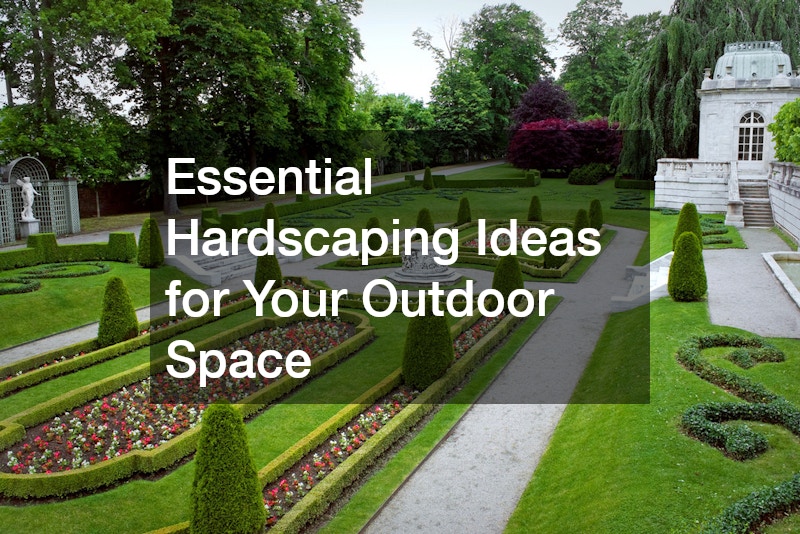
In the realm of outdoor design, hardscaping plays a pivotal role in enhancing the functionality and beauty of your surroundings. Incorporating elements such as patios, walkways, and retaining walls not only defines the structure of your outdoor space but also provides a canvas for creativity. The right hardscaping choices can transform a bland yard into an inviting oasis that complements your home beautifully.
Video Source
The synergy between hardscaping and landscaping creates a balanced appearance, inviting you to spend more time outside. This article delves into essential hardscaping ideas that can elevate your outdoor space, offering insights into materials, designs, and practical applications.
When it comes to hardscaping, the choice of materials is crucial in ensuring the durability and aesthetic appeal of your outdoor space. Among the most popular materials are natural stones, bricks, and concrete, each offering unique advantages. Natural stones, such as slate and granite, provide a timeless appeal while ensuring longevity under varying weather conditions. Bricks offer versatility and a classic look, easily adaptable to different styles, whether rustic or modern. On the other hand, concrete is often favored for its cost-effectiveness and customizability, making it suitable for various hardscaping solutions.
In addition to these traditional options, eco-friendly materials are gaining traction as more homeowners become conscious of environmental impacts. Recycled materials, permeable pavers, and sustainably sourced stones can help you create a beautiful space while aiding in water management and reducing your carbon footprint. Thoughtfully selecting hardscaping materials enhances not only aesthetics but also the environmental sustainability of your outdoor space. Remember that a wide variety of textures and colors can add depth to your designs, from smooth concrete finishes to the rugged appearance of weathered stone. Taking the time to explore your options will lead to a more personalized and effective hardscaping strategy.
Functional design is at the heart of successful hardscaping projects. Consider how you plan to use your outdoor space when integrating hardscape elements. For instance, if entertaining is a priority, a well-placed patio with seating areas can create a welcoming atmosphere. You may also want to incorporate features like fire pits or outdoor kitchens to facilitate gatherings. Thoughtfully designed pathways can lead guests seamlessly from one area to another, enhancing the overall functionality and flow of the space.
Moreover, incorporating tiered levels with retaining walls not only adds dimension but also creates distinct areas for various activities. For example, one tier can be dedicated to relaxation with comfortable lounge furniture, while another can serve as a play area for children or pets. This separation ensures that each area can be utilized efficiently while contributing to a cohesive overall design. By understanding the functionality of each element of your hardscaping, you can ensure that your outdoor space serves multiple purposes effectively. Emphasizing the importance of planning in your design can help lay the foundation for a space that meets all your needs.
Incorporating water features into your hardscaping can make a dramatic impact on the ambiance of your outdoor space. From fountains to ponds, the sound and visibility of water invoke a sense of tranquility, turning your yard into a serene retreat. A small pond surrounded by stone pathways offers not only aesthetic appeal but also an opportunity for local wildlife to thrive. Adding features like bubbling fountains or waterfalls can create a sense of movement, drawing attention and creating focal points throughout the landscape. These water elements not only beautify the space but also enhance the auditory experience as you relax outdoors.
Moreover, including water features can serve as an environmentally friendly option, contributing to the ecological balance in your backyard. By integrating plants that thrive in wet conditions, you can create a harmonious ecosystem that supports local flora and fauna. This element encourages biodiversity while providing recreational opportunities, such as birdwatching or peaceful observation of nature. Additionally, a well-designed water feature complements other hardscape elements, tying them together into a cohesive theme. Choosing the right water features will ultimately depend on your preferences and the available space.
Hardscaping is an essential component of any outdoor space, contributing both beauty and functionality to your environment. By choosing the right materials, designing functional spaces, and incorporating appealing features like water, you can create an outdoor area that feels inviting and serves your needs well. This intricate blend of hard and soft elements not only enhances the aesthetics but also improves the overall experience of your outdoor area. Realizing the full potential of hardscaping can significantly increase the value of your property and the hours of enjoyment in your outdoor space. With careful planning and execution, your hardscaping will not only reflect your style but also create a sanctuary for relaxation and entertainment.