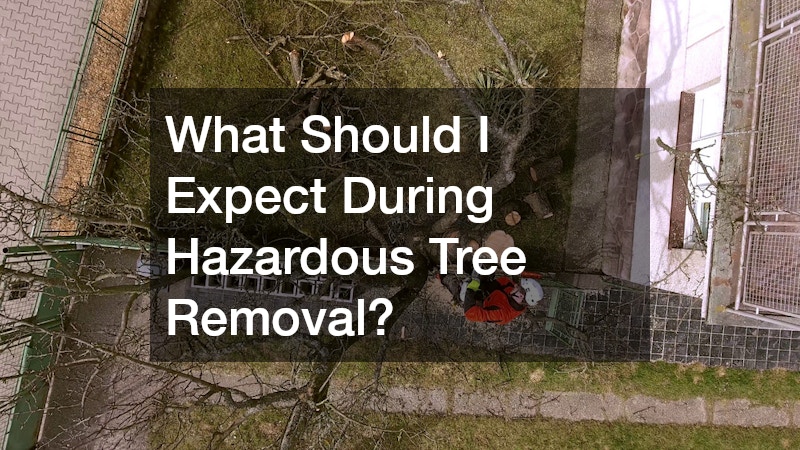
Removing hazardous trees is a critical task that requires expert attention to ensure the safety of your property and the well-being of those around it. This process, while intricate, brings peace of mind by eliminating risks associated with unstable or diseased trees. In this article, we'll explore what to expect during the hazardous tree removal process, providing insight into the steps involved, the expertise required, and the benefits of removing such trees.
The first step in hazardous tree removals is a comprehensive assessment conducted by a certified arborist. This evaluation is crucial as it determines the extent of the risk posed by the tree.
Video Source
Arborists look for signs of disease, structural weaknesses, or potential hazards such as proximity to power lines. Using specialized equipment, they assess the tree's stability and the potential outcome if it were to fall. This step ensures that the removal process is carried out with precision and safety in mind.
Once the assessment is complete, the arborist will discuss their findings with you. During this discussion, they'll explain the risks involved with leaving the tree in place. They’ll also outline the removal process, providing a timeline and how it will unfold. This communication helps property owners understand the seriousness of the threat and the necessity of removal. Additionally, you can ask questions to clarify any concerns you might have about the process.
The assessment phase is not just about identifying risks but also about preserving the surrounding environment. Arborists will consider the impact of the removal on nearby flora and fauna. They aim to minimize disturbance to the surrounding landscape. This ecological consideration is vital in maintaining the health of your property’s greenery. Thus, a well-conducted assessment sets the stage for a successful hazardous tree removal project.
Preparation is a key component of safe hazardous tree removals. Before any cutting begins, the work site must be secured. This involves cordoning off the area to prevent unauthorized access, which could lead to accidents. Safety gear, including helmets, gloves, and eye protection, are mandatory for all team members involved in the removal. Proper preparation also includes notifying local authorities, particularly when trees are near roads or public areas.
The removal team will inspect their equipment to ensure it is in excellent working condition. Chainsaws, cranes, and rigging equipment are some of the tools typically used in this process. Specialized equipment ensures that even the most challenging tree removals can be conducted efficiently. Adequate training and experience of the crew play a significant role in executing the removal safely. This systematic preparation underscores the importance of choosing a competent and professional removal company.
Environmental considerations are also part of the preparation phase. The team will plan to dispose of the tree parts in an eco-friendly manner. This could involve chipping branches for mulch or transporting larger logs for recycling as timber. Such measures reinforce the commitment to environmental stewardship. By integrating these practices, hazardous tree removals don't just eliminate dangers but also benefit the ecosystem.
The removal process itself is a coordinated effort conducted with precision and care. Initially, the team will handle any obstacles that could impede the process, such as removing power lines with the utility company’s cooperation. Following this, strategic cuts are made to bring down the tree safely. Techniques like rigging allow for the controlled lowering of branches and trunks. This methodical approach prevents unexpected falls and property damage.
Communication among team members is essential during the removal. Clear hand signals or communication devices ensure everyone is aware of each step in the process. This teamwork is vital to respond swiftly to the dynamic environment of tree removal. Safety officers often oversee the process to ensure compliance with all safety protocols. Such attention to detail helps avoid accidents and ensures the well-being of the entire crew.
Post-removal procedures are just as important. The site is thoroughly cleaned, which is integral to the overall process. The removal crew will ensure that no debris is left behind, restoring the area to its original state. This commitment to thoroughness highlights the professionalism and dedication of a skilled removal team. Additionally, homeowners are provided with documentation detailing the removal for their records.
The removal of hazardous trees brings numerous benefits to property owners. The most obvious is enhanced safety for both people and property. By eliminating these threats, you reduce the risk of damage from falling branches or toppling trees. This proactive measure can save on potential repair costs in the event of inclement weather causing the tree to fall. Moreover, it provides peace of mind knowing your property is secure.
Another advantage is the impact on your property's aesthetic value. Removing a diseased or dying tree can improve your landscape significantly. This opens up space for healthier growth and increased sunlight for surrounding plants. Additionally, it enhances the curb appeal of your home, potentially increasing real estate value. Well-maintained properties with healthy foliage are more attractive to potential buyers, should you choose to sell your home.
Environmentally, removing hazardous trees can also be beneficial. Dead trees often harbor pests and diseases that could spread to healthy vegetation. By removing such trees, you protect the overall health of the environment. This contributes to ecological stability and promotes biodiversity. Thus, the benefits of hazardous tree removal extend beyond immediate safety concerns to broader environmental impacts.