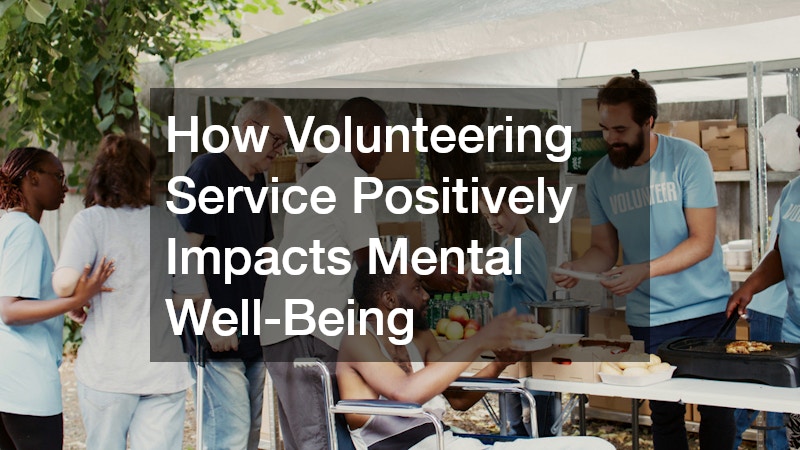
Volunteering service is an act of providing service to others or the community without expecting any payment or reward in return. This altruistic behavior has gained immense significance in today's society, especially as people search for ways to improve their mental well-being. Research reveals a compelling link between volunteering and mental health, suggesting that giving back can lead to a more fulfilling and happier life. Whether it’s helping at a local shelter, mentoring youth, or volunteering at hospitals, engaging in these activities can have profound effects on one’s emotional and psychological state.
Video Source
Volunteering has been scientifically linked to various mental health benefits, which include a significant reduction in symptoms of depression and anxiety. Engaging in activities that benefit others can divert attention away from one's own problems, providing a fresh perspective and enabling individuals to feel a sense of accomplishment. Helping others often infuses purpose into one's life, encouraging a more optimistic outlook overall, which is particularly important during challenging times.
Furthermore, volunteer work can lead to increased feelings of happiness and satisfaction. Research shows that acts of kindness trigger the release of endorphins in the brain, creating a phenomenon often referred to as the “helper’s high.” This biochemical reaction underlines the role of volunteering in boosting mood, significantly contributing to emotional resilience. By improving emotional states, individuals who volunteer often report feeling more fulfilled and content with their lives.
One of the most profound effects of volunteering service is its ability to foster a sense of community and belonging. Many volunteer opportunities require teamwork and collaboration, allowing participants to create connections with like-minded individuals who share similar values and care for the community. These social interactions can help break down barriers and promote inclusivity, which are essential for mental health and emotional well-being.
By working together on community projects or supporting causes, volunteers develop friendships that might not have formed otherwise. These relationships provide crucial support networks, especially for individuals who might feel isolated or disconnected from mainstream society. The shared experience of working towards a common goal strengthens bonds and nurtures community spirit, reinforcing the idea that we are all in this together.
Volunteering does not just provide emotional satisfaction; it can also serve as a formidable avenue for personal and professional development. Individuals engaging in volunteer work often acquire new skills, whether it be project management, communication, or leadership. These transferrable skills can make a significant difference in one’s professional life, enhancing career prospects and workplace satisfaction.
Additionally, volunteering presents networking opportunities that can play a pivotal role in career advancement. Many organizations value volunteer experience on resumes, recognizing it as a testament to commitment and dedication. By bridging the gap between community service and professional growth, individuals can leverage their volunteer experiences into lucrative job opportunities, effectively enhancing their marketability.
Not all volunteer opportunities have the same impact on mental well-being, and some activities are particularly effective in fostering emotional health. For instance, mentoring programs where individuals support and guide younger generations can be immensely beneficial. These relationships not only empower mentees but also instill a profound sense of purpose and fulfillment in mentors, enhancing their overall mental health.
Additionally, volunteering with the elderly can provide an enriching and rewarding experience. Many seniors face isolation and loneliness, making companionship invaluable. By dedicating time to visit or assist older adults, volunteers not only improve their well-being but also gain joy and satisfaction from the connection formed, bolstering their mental health in the process.
Getting started with volunteering is both accessible and straightforward. Individuals can begin by assessing their interests and skills to identify opportunities that resonate with them. Many platforms and local organizations provide volunteering databases, making it easy to find suitable positions that match one’s schedule, interests, and desired impact. This initial step is crucial for ensuring a positive volunteering experience that aligns with personal values.
Networking is another effective strategy—talking to friends, family, or colleagues who volunteer can yield valuable insights and recommendations. Learning from someone else's experience provides a clearer picture of potential commitments and benefits. Many organizations also encourage people to attend informational sessions or orientation meetings to better understand what various volunteer roles entail, helping individuals make informed decisions about where to dedicate their time.
The myriad benefits of volunteering extend far beyond the act of helping others. This exploration of how volunteering positively impacts mental well-being highlights its role in reducing depression and anxiety, fostering community connections, and enhancing personal and professional growth. Volunteering offers the unique ability to create a powerful sense of purpose and belonging, which are essential components of good mental health.