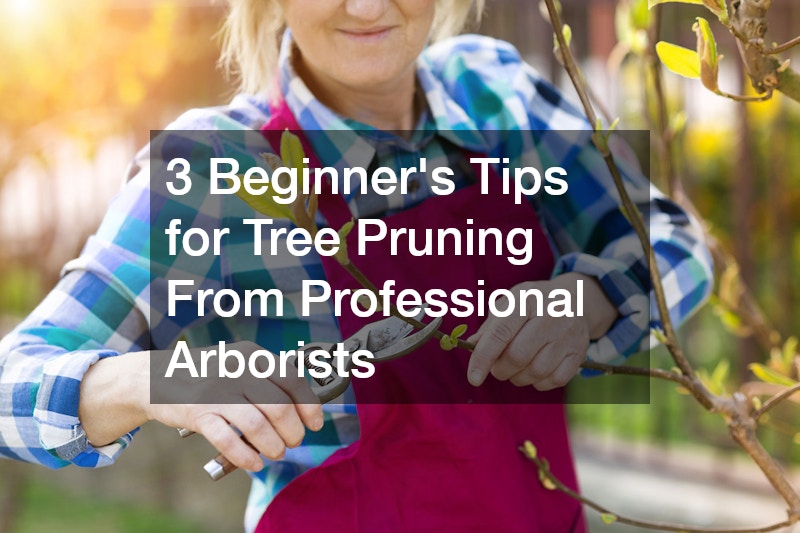
Tree pruning is one of the most valuable skills a homeowner can develop when it comes to landscape care. Done correctly, it improves tree health, enhances structure, and promotes long-term growth. Done incorrectly, it can weaken or even permanently damage a tree. That is why guidance from experienced arborists is so important, especially for beginners who may not yet understand how trees respond to cuts. With a few foundational principles, you can approach pruning with confidence and avoid common mistakes that compromise both safety and plant vitality.
Video Source
One of the most common mistakes beginners make is pruning without a clear objective. Every cut should serve a purpose, whether that is removing dead wood, improving airflow, or shaping the tree for structural integrity. Trees do not heal in the same way humans do. Instead, they compartmentalize damage, meaning unnecessary cuts create long-term stress and potential entry points for disease.
Tree experts emphasize the importance of identifying the reason for pruning before picking up any tools. For example, removing diseased or damaged branches helps prevent decay from spreading, while thinning dense canopies allows sunlight to reach inner branches and surrounding plants. When you understand the goal, you are less likely to over-prune or remove healthy growth that the tree depends on.
Another critical concept is recognizing branch collars and making cuts just outside this area. The branch collar contains specialized cells that help seal wounds efficiently. Cutting too close damages this natural defense system, while cutting too far leaves a stub that can decay. Learning this simple detail dramatically improves pruning outcomes and aligns your technique with standards used by trained arbor professionals.
Timing plays a significant role in how well a tree responds to pruning. While it may seem convenient to trim branches whenever they become noticeable, different species have ideal pruning windows that support recovery and growth. In most cases, late winter or early spring is considered the best time because trees are dormant, and new growth has not yet begun.
During dormancy, trees experience less stress, and the absence of leaves makes it easier to evaluate branch structure. Pruning at this time also reduces the risk of attracting pests or spreading disease, both of which are more active during warmer months. However, there are exceptions. Flowering trees, for instance, should often be pruned after they bloom to avoid cutting off buds that formed the previous season.
Professional arborists also caution against excessive pruning during periods of extreme heat or drought. Trees are already under environmental stress during these times, and removing branches can further weaken their ability to produce energy. By aligning your pruning schedule with seasonal cycles, you create conditions that support healthy regrowth rather than hinder it.
Even with the right timing and purpose, improper tools or techniques can undermine your efforts. Clean, sharp tools are essential for making precise cuts that heal efficiently. Dull blades tear rather than slice, leaving jagged wounds that are more vulnerable to infection and slower to close.
For smaller branches, hand pruners or loppers are usually sufficient. Larger limbs may require a pruning saw, and in some cases, professional assistance is the safest option. Tree experts often recommend the three-cut method for removing larger branches. This technique prevents bark from tearing down the trunk, which can cause significant damage beyond the intended cut area.
Technique also extends to how much you remove at one time. A general guideline is to avoid cutting more than one-quarter of a tree’s canopy in a single session. Removing too much foliage reduces the tree’s ability to photosynthesize, leading to stress and potential decline. Gradual pruning over multiple seasons allows the tree to adapt while maintaining overall health.
Safety should never be overlooked. Wearing protective gear and being mindful of your surroundings reduces the risk of injury. If branches are near power lines or require climbing, it is best to consult certified arbor professionals who have the training and equipment to handle complex situations safely.
Tree pruning is both a science and an art, requiring thoughtful decision-making and attention to detail. By understanding the purpose behind each cut, timing your efforts appropriately, and using proper tools and techniques, beginners can achieve results that support long-term tree health. While it may take time to build confidence, following principles used by professional arborists ensures that your approach is grounded in proven practices.