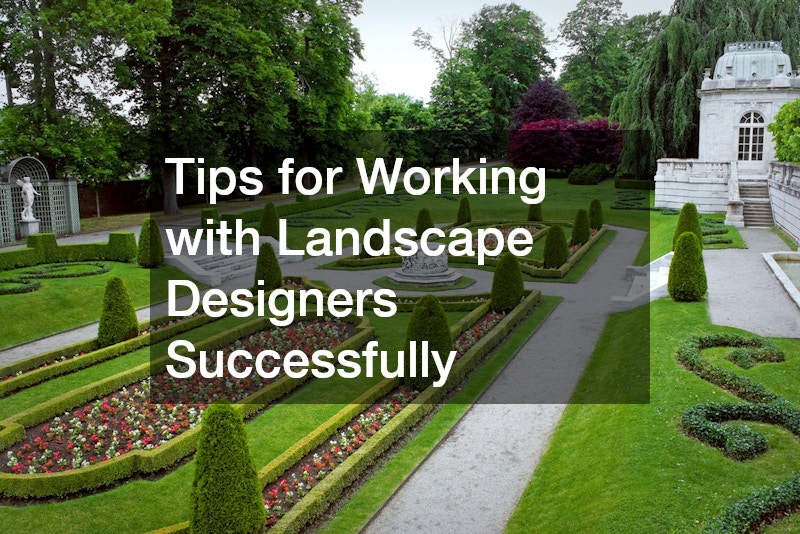
When embarking on the transformative journey of landscaping your outdoor space, collaborating with a professional landscape designer can be a game-changer. Not only do they bring in an array of design expertise, but they also provide a fresh perspective that can elevate your garden to new heights. In this article, we delve into essential tips for working effectively with landscape designers, ensuring your vision comes to life seamlessly.
Before engaging with a landscape designer, clarity on your vision and needs is paramount. Begin by reflecting on how you envision using the space, whether it's for relaxation, entertainment, or as a children's play area.
Video Source
Identifying these needs helps in communicating effectively with the designer, enabling them to align their creative ideas with your functional requirements. Additionally, having a clear vision aids in setting realistic expectations regarding the project's scale and budget. Remember, the more specific you are about your desires, the better a designer can bring them to life.
Once your vision is clear, it’s crucial to sketch out a rough design or create a mood board with elements and styles you prefer. This visual representation serves as a foundation during discussions with your landscape designer. It facilitates a better understanding of your tastes and helps them suggest enhancements you might not have considered. Furthermore, this pre-planning fosters a collaborative environment where both parties can exchange ideas fluidly. Hence, investing time in understanding your vision yields dividends in realizing a cohesive outdoor space.
Fostering trust in your partnership with a landscape designer is essential for a successful project. Trust enables the designer to work creatively, considering your preferences while incorporating their expertise. Recognize that designers have training and experience in envisioning spaces beyond what you might initially see. When you trust their judgments, it empowers them to introduce innovative solutions that might enhance the final outcome. Remember, a positive and trusting relationship can significantly elevate the design process.
Collaboration is fundamental in achieving the ideal landscape design. It’s not a one-way stream of ideas but a blend of client desires and professional input. Regular meetings and updates ensure that your expectations are being met and allow for any necessary tweaks. By maintaining active involvement, you prevent misunderstandings and keep the project aligned with your vision. This collaboration is a two-way street, where mutual respect and openness can lead to a beautifully orchestrated design.
Setting and managing your budget is a vital component of any landscaping project. When discussing your finances with the landscape designer, transparency is key. Outline your budget constraints early, allowing the designer to tailor their plans accordingly. This financial conversation steers the project towards achievable and realistic goals, avoiding potential disappointments later. By managing budget expectations upfront, you prevent miscommunications and ensure the design aligns with your resources.
Expectations go beyond just finances; they encompass timelines, design features, and project scope. Clearly define what you expect in terms of the project's timeline and phases of completion. Having this at the forefront during discussions avoids unnecessary anxiety and ensures you are both on the same page. A well-crafted plan includes milestones and scheduled updates, which are instrumental in keeping the project on track. Remember, clear communication at the start can guide the trajectory and success of the landscaping endeavor.
Throughout the landscaping project, maintaining effective communication with your designer is vital. Regular check-ins and progress reports are essential for addressing any concerns as they arise. This practice allows for clarity and ensures that the project stays true to your initial vision and requirements. Open lines of communication also create an avenue for timely adjustments, reducing the likelihood of costly post-completion changes. Ultimately, consistent dialogue within the project timeline lays the groundwork for a successful collaboration.
Constructive feedback is another integral aspect of communication throughout the project. If certain facets of the design do not meet your expectations, express this immediately and clearly to the designer. Articulate your preferences and any reservations you might have, enabling the designer to address them promptly. This proactive approach fosters an environment where positivity and collaboration thrive and ensures a project that reflects your aspirations. In the end, quality communication significantly contributes to achieving a landscape design that is both functional and inspiring.
.