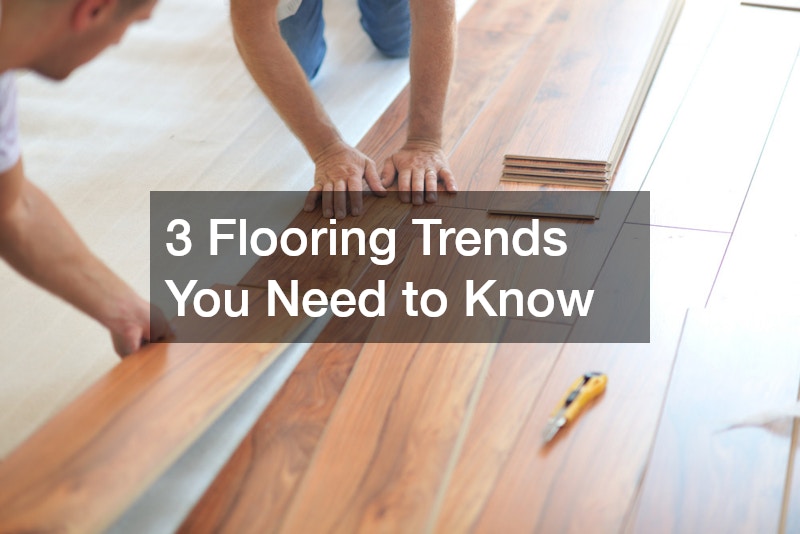
Visiting a flooring store for the first time can be an overwhelming experience, especially with the wide variety of options and considerations to make. This article will guide you through what to expect, how to prepare, and how to make informed decisions regarding your flooring needs. Whether you're upgrading your current floors or choosing surfaces for a new space, understanding what goes into selecting the right flooring can ease your experience and help you avoid common pitfalls.
Video Source
Flooring stores typically offer a wide array of flooring options, each catering to different styles, functionalities, and budgets. One of the most popular choices is hardwood flooring, celebrated for its timeless appeal, durability, and the value it adds to a home. Hardwood flooring can be found in various species, including oak, maple, and cherry, each providing a unique aesthetic and hardness level.
Another common option is laminate flooring, which has become popular due to its affordability and ability to mimic the look of more expensive surfaces, such as hardwood or stone. Laminate is composed of multiple layers, which provide resilience underfoot and resistance to scratches and wear, making it suitable for high-traffic areas.
For those in search of more contemporary styles, vinyl and luxury vinyl plank (LVP) flooring offer versatile and water-resistant options. Vinyl flooring comes in sheets or planks that can mirror wood, stone, or ceramic tile at a fraction of the cost. Its water-resistant properties make it a fitting choice for areas prone to moisture, such as kitchens and bathrooms.
Determining the quality of flooring involves understanding several key characteristics. With hardwood flooring, factors such as the thickness of the planks, the type of finish applied (e.g., oil, UV-cured), and the grade of the wood (e.g., select, number one common) play significant roles in assessing quality. Examining these elements aids in determining longevity and how well the flooring will withstand daily wear.
Laminate flooring should be evaluated based on criteria like the flooring's AC rating, which measures its durability and resistance to abrasion, impact, and stains. It is essential to choose a laminate with an appropriate AC rating for your home's activity level to ensure its longevity.
For vinyl and LVP flooring, its quality is often determined by its wear layer, which is the clear protective coat on the surface. The thickness of the wear layer, typically measured in mils, indicates how well the flooring will resist scratches and dents. It's advisable to select a higher mil value for areas with heavy foot traffic to maintain its appearance over time.
When considering flooring options, understanding associated costs and installation times is crucial. The price of flooring can vary widely depending on the material, style, and brand you choose. Hardwood flooring generally ranges higher in cost due to its premium nature, with installation adding to the total expense. However, it is valued for its durability and can last for decades with proper care, justifying the investment for many homeowners.
Laminate flooring presents a more budget-friendly solution while still providing an aesthetically pleasing and durable surface. On average, laminate can cost significantly less per square foot than hardwood, and installation is often quicker and more straightforward, reducing labor costs. Its cost-efficiency makes it a favorite among those renovating properties on a tighter budget.
Vinyl and LVP flooring provide even more flexibility in terms of price and installation. These materials are often priced competitively, allowing homeowners to achieve the look of high-end surfaces affordably. Installation of vinyl flooring is generally swift and can be completed in a day or two, depending on the size of the area, enabling quicker room transformation with minimal disruption.
By understanding the various flooring types, recognizing quality, and being aware of costs and installation timeframes, you can make a confident and informed decision at your next visit to a flooring store. With this guide, you're equipped to explore your options and select the perfect flooring for your space. Remember, the ideal flooring choice marries aesthetics with practicality, enhancing your home's beauty and functionality.
Whether you're drawn to the elegance of hardwood, the cost-efficiency of laminate, or the versatility of vinyl, each type offers distinct advantages that can be tailored to your lifestyle and design aspirations. Taking the time to assess your specific needs and preferences will ensure that you choose flooring that complements your home while providing satisfaction for years to come.
.