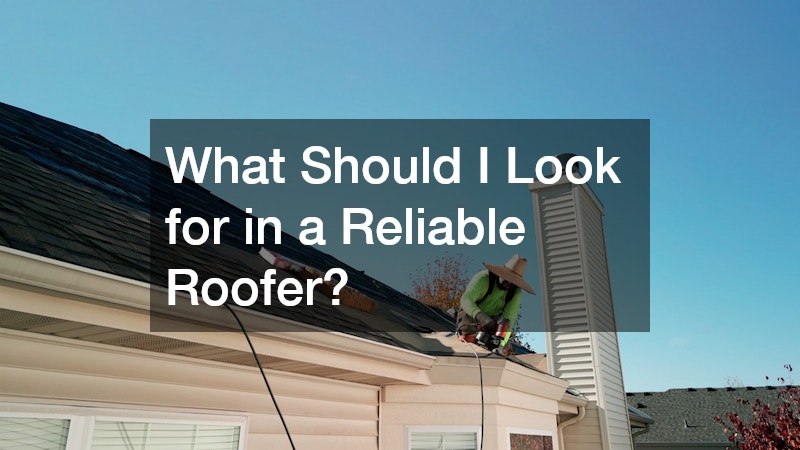
Whether you're building a new home or maintaining an existing one, finding a reliable roofer is crucial for protecting your investment. Your home's roof plays a significant role in safeguarding the structure against elements, and any compromise in its installation or repair can lead to costly damages. Therefore, it's important to ensure that the person or company you hire is trustworthy, skilled, and experienced.
Video Source
This article will guide you through the essential factors to consider when selecting a roofer, providing you with peace of mind and guaranteeing high-quality work.
A legitimate and reliable roofer should possess the necessary licensing and insurance to operate. Licensing ensures that the roofer meets local regulatory standards, paying attention to both safety and quality. Insurance, on the other hand, protects you from any potential financial liability in case of accidents or damages occurring during the project. Without proper coverage, you may find yourself bearing unexpected costs that could have been avoided. Therefore, always request proof of both licensing and insurance before entering into any agreements.
Ensure the roofer provides you with certifications that verify their licensing status. This verification process helps confirm that the roofer is legitimate and follows industry standards. Double-checking licensing also assures you that the roofer has the required training and knowledge to meet your roofing needs. It is important to remember that licensing requirements can vary by region, so make sure that your roofer complies with local regulations. The licensing document is your first assurance of professionalism and reliability.
Experience is a key indicator of reliability and competence, and it plays a major role in the quality of roofing services provided. An experienced roofer will have a portfolio of past projects, giving you insight into their capabilities and craftsmanship. As you evaluate a roofer’s experience, ask how long they have been in business and request to see samples of their work. The longest-tenured roofers likely have learned from past challenges, which informs their best practices today. A robust background suggests they understand different roofing materials, techniques, and problems, enabling them to handle various scenarios proficiently.
Expertise, while tied to experience, also conveys specialized areas and technical knowledge. A qualified roofer should stay updated with industry standards and technological advancements to remain effective in their services. Assess whether they have expertise in the specific type of roofing you’re interested in, be it tile, metal, or asphalt shingles. Consider hiring a roofer who continues their education through workshops and courses to remain current. This ongoing education ensures that they employ the best, most efficient practices in your project.
A reliable roofer often comes with a strong local reputation that maintains their credibility. Word of mouth is a powerful tool in the roofing industry where satisfied customers refer services to neighbors and friends. You can gather information by speaking with people in your community who have hired roofing services recently. Their experiences and testimonials offer invaluable insights that can influence your hiring decision. A roofer with positive local reviews is more likely to prioritize quality and customer satisfaction.
The reputation of a roofer is often reflected in online reviews and ratings. Websites like Yelp or Angie's List compile customer feedback, making it easier for you to assess potential roofers. Look for consistent positive feedback, but approach very negative reviews with caution as they may not always provide the full picture. Positive reviews indicate a pattern of satisfying customers with high-quality work, while negative reviews can reveal recurring issues. Taking the time to research these reviews can help you make a well-informed choice.
Obtaining a detailed written estimate from a roofer prevents misunderstandings and hidden costs. An estimate should outline all project expenses, including labor, materials, and other associated fees. This transparency helps you budget effectively and evaluate whether the pricing aligns with your financial plan. It is essential that the estimate is detailed and itemized, showing you precisely what you’re paying for. Hidden costs can derail your budget unexpectedly, so be vigilant in understanding every element of the estimate presented.
Requesting and comparing several estimates from different roofers can help you make an informed decision. While cost shouldn’t be the sole deciding factor, it is important to compare estimates to gauge market rates. Remember, the cheapest option might not always be the best; instead, focus on overall value. Detailed estimates enable you to weigh quality, service, and cost effectively. In roofing, you generally receive what you pay for, so prudent assessment of estimates can prevent future financial regrets.
.