Having a robust and well-maintained braking system is crucial for vehicle safety. Over time and with regular use, your car’s brakes can exhibit signs indicating they need repair. Understanding these signals can prevent accidents and ensure your safety on the road.
High-pitched squealing or grinding sounds when applying the brakes often indicate that the brake pads are worn out and need replacement. This noise is typically caused by metal-to-metal contact when the brake pads have completely worn through.
Video Source
Ignoring this warning can lead to more serious damage to the brake rotors and increase repair costs.
Brake pads have a built-in wear indicator that starts to produce noise when they reach a certain level of wear. This design helps ensure that drivers receive a clear warning before the braking system is compromised. Addressing the issue promptly can prevent unsafe driving conditions and the risk of brake failure.
It is important to differentiate between occasional noise from debris and persistent squealing that signals a problem. Persistent noise that occurs during every braking indicates it’s time for a professional inspection. Regular maintenance can prevent the need for more extensive brake repair by identifying worn pads early.
Feeling vibrations or pulsations through the brake pedal may be a sign of warped rotors, which can result from excessive heat or uneven wear. Warped rotors can significantly decrease the efficiency of your braking system and increase the stopping distance. Addressing rotor issues promptly helps maintain safe driving conditions and reliable braking performance.
Excessive heat buildup can occur during intense braking, such as driving downhill or stopping frequently in traffic. Uneven wear on rotors often results from misaligned brake components or failing to replace brake pads on time. Mechanics can diagnose warped rotors through a thorough inspection and using specialized equipment.
If you experience vibrations only when braking, it is important to have your brakes checked immediately. Ignoring the symptoms of warped rotors can lead to more comprehensive repairs and unsafe driving conditions. Maintaining your brakes routinely ensures balanced wear on rotors and prevents vibrations.
If your car’s brake warning light is illuminated on the dashboard, it’s a direct signal that you need to check your braking system immediately. This warning can indicate various issues, ranging from low brake fluid to problems with the brake pads or discs. Addressing the alert as soon as it appears can prevent serious malfunctions.
Ignoring a brake warning light can lead to escalated issues and potential brake failure. Modern vehicles are equipped with sensors that monitor various elements of the braking system, providing timely alerts for your safety. Regularly inspecting brake components can often preemptively address issues before they trigger a warning light.
Technicians use diagnostic tools to interpret the specific cause of a brake warning light. Once identified, prompt repair or adjustment can restore proper function and remove the alert. Always trust qualified professionals to assess and address any issues signaled by your vehicle’s warning systems.
Regular visual inspections of brake components can help identify early signs of wear and tear before they escalate into major issues. Checking for uneven pad wear, fluid leaks, and corrosion ensures a functional braking system. Incorporating visual inspections into your maintenance routine can lead to early detection and cost-effective repairs.
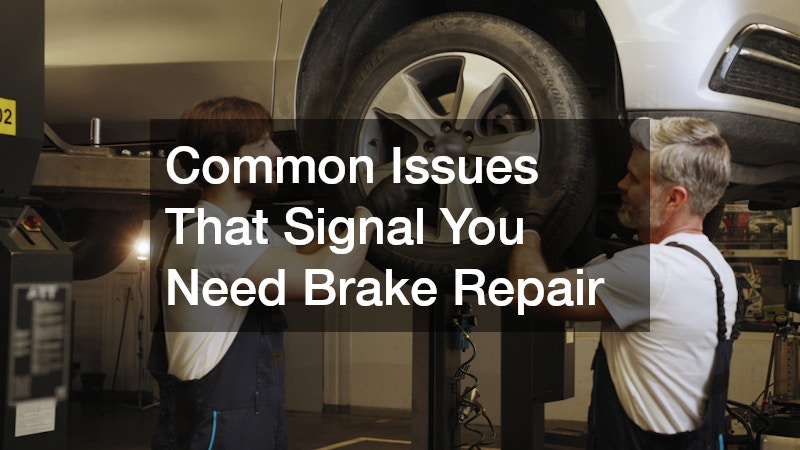
A trained eye can spot warning signs that might be missed by untrained individuals, making professional inspections valuable. Mechanics can remove wheels to better view brake shoes, drums, and linings, ensuring all elements are properly inspected. This process helps drivers take proactive measures to maintain safe stopping power.
Even with advanced vehicle monitoring systems, visual inspections remain a crucial part of maintenance. Evaluating the condition of brake hardware and fluid levels can reveal underlying issues needing attention. Ensuring components are free from damage prolongs the life of the braking system.
If you suspect any issue with your brakes, it’s advisable to have them inspected by a professional mechanic immediately to assess the severity. Early intervention can prevent minor issues from becoming significant safety risks. Mechanics can diagnose problems quickly, providing peace of mind and reducing potential risks.
Brakes are a critical safety feature, and any suspicion of malfunction warrants a prompt check. A comprehensive inspection can identify worn or damaged components needing replacement or adjustment. Addressing these findings quickly ensures your vehicle is safe for use.
Regular inspections can also catch any developing issues that might not be immediately apparent. Professional assessments should be part of your vehicle's maintenance strategy, aimed at preserving functionality and safety. Routine checks empower drivers to take corrective action at the first sign of trouble.
For serious repairs or replacements, scheduling service with a trusted automotive professional is recommended to ensure proper handling. Professionals have the tools and expertise to safely perform complex brake repairs, which can sometimes involve entire system replacements. Professional repairs can restore your brakes to optimal condition.
Relying on authorized service centers or mechanics ensures quality parts and installation procedures. A qualified technician will follow best practices and manufacturer guidelines during repairs. This approach reduces the risk of incorrect installations that could compromise braking efficacy.
Scheduling timely repairs helps avoid further damage and maintain the integrity of the braking system. Establishing a relationship with a trusted mechanic allows for consistent service and familiarity with your vehicle's history. Investing in professional repairs can extend the life of brake components and enhance safety.
Regular maintenance and prompt attention to any signs of brake issues can significantly enhance your safety on the road. By recognizing the signals for brake repair and acting quickly, you ensure the reliability and performance of your vehicle’s braking system. Investing time in routine brake care not only safeguards you but also contributes to the overall longevity of your car.
.