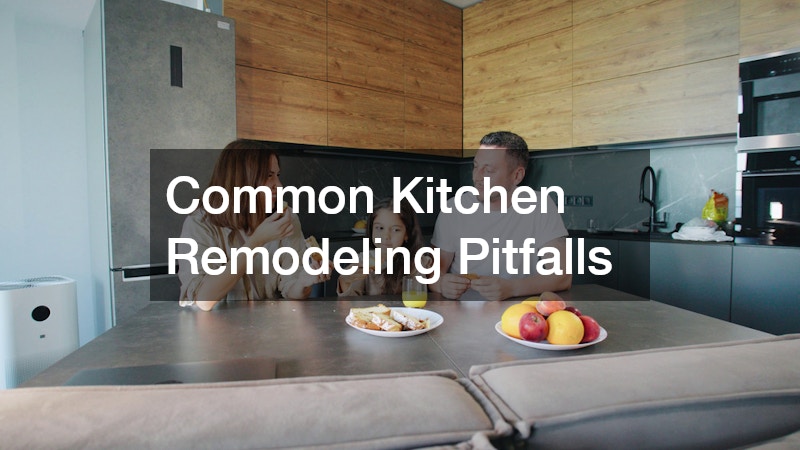
Kitchen remodeling can be both exhilarating and daunting. As one of the most utilized spaces in a home, the kitchen serves as a hub for cooking and dining and as a gathering place for family and friends. Given its central role, making sure a successful remodel that meets your needs while avoiding common pitfalls is crucial.
Video Source
In this article, we will explore various challenges that homeowners face during the remodeling process and offer insights into avoiding these pitfalls for a seamless kitchen transformation.
One of the primary hurdles in kitchen remodeling is establishing and maintaining a realistic budget. Many homeowners fall into the trap of underestimating the project's overall costs. With numerous elements to consider, from cabinetry and countertops to appliances and flooring, failing to account for these expenses can lead to financial strain. By conducting thorough research and obtaining detailed estimates for each component, you can establish a more accurate budget that reflects the project's actual cost.
Another frequent budgeting mistake is neglecting to factor in contingency funds. Remodeling projects are notorious for unexpected expenses that arise during construction. Whether it's an unforeseen plumbing issue or a sudden need to upgrade electrical systems, setting aside a contingency fund, typically around 10-15% of the total budget, can cushion the blow of these surprises and keep the project on track. Planning for contingencies can mitigate stress and avoid halting progress due to financial constraints.
Additionally, succumbing to the allure of trends and luxury upgrades can derail a budget. While it may be tempting to opt for high-end finishes or the latest gadgets, homeowners should carefully evaluate whether these features align with their actual needs and overall kitchen function. Prioritizing practical investments that enhance the kitchen's usability and longevity can prevent overextension and ensure that your remodel provides value long after the work is completed.
Effective space planning is paramount in creating a functional and aesthetically pleasing kitchen. A common mistake many homeowners make is neglecting the kitchen's workflow. The classic "work triangle" concept, which involves the efficient arrangement of the sink, stove, and refrigerator, is critical. Positioning these three elements in a convenient configuration minimizes unnecessary movement and enhances cooking efficiency. Poor planning can lead to frustration and inefficiency in daily kitchen use.
Overcrowding the kitchen with oversized islands or excessive cabinetry can disrupt the space's flow. While storage is essential, leaving sufficient room for movement and comfort is equally vital. Consider traffic patterns and the number of individuals who use the kitchen at once. Adequate spacing between elements and making sure easy access to frequently used items prevent the kitchen from feeling cramped and unwelcoming.
Avoiding poor space planning also entails considering long-term needs. As lifestyles evolve, so too can the requirements of a kitchen space. Flexibility in design, such as movable islands or modular cabinetry, can adapt to changing family dynamics. By anticipating these future needs in the planning phase, homeowners can enjoy a practical and inviting kitchen over the years.
The choice of materials in a kitchen remodel significantly influences the room's durability and visual appeal. One common pitfall is selecting materials based solely on aesthetic value without considering their practicality. For instance, although elegant, certain surfaces, like marble, are highly porous and susceptible to stains. Evaluating the material's ability to withstand the demands of a busy kitchen environment is essential in maintaining its appearance and function over time.
Another material-related mistake is opting for low-quality options to cut costs. While budget constraints are understandable, investing in inferior materials can prove costlier in the long run due to frequent repairs or replacements. Durable contenders, such as quartz for countertops and high-quality, moisture-resistant cabinetry materials, balance style and resilience, making sure the kitchen remains a valuable asset in your home.
Furthermore, neglecting the importance of finish and maintenance can undermine the longevity of chosen materials. Selecting finishes prone to scratching, chipping, or other forms of wear can quickly mar a kitchen's appearance. Opting for materials with protective coatings or easy-to-maintain qualities can prolong their lifespan. Homeowners should consult with professionals to find materials that align with their lifestyle and maintain their intended look with minimal upkeep.
Embarking on a kitchen remodel is a significant undertaking that requires careful planning and informed decision-making. By being aware of common pitfalls, such as budgeting oversights, poor space planning, inappropriate material selections, contractor challenges, and inadequate storage solutions, homeowners can take proactive steps to avoid them. Prioritizing research, communication, and customization will enhance the remodeling experience and result in a kitchen that meets your needs and enriches your home's value for years to come. Ultimately, a well-planned kitchen remodel is an investment in comfort and functionality, transforming the heart of the house into a space of culinary creativity and communal joy.