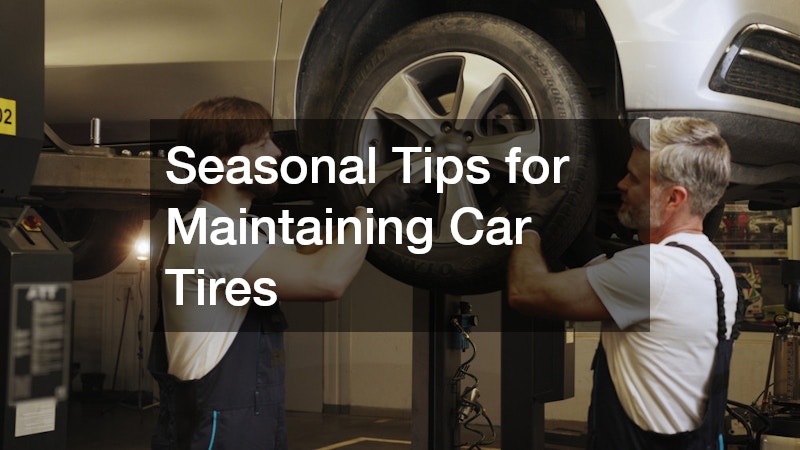
Maintaining your car tires is crucial for safety, performance, and longevity. Different seasons present unique challenges and opportunities for tire care. This article provides essential tips to help you keep your tires in optimal condition year-round.
Video Source
Tire pressure is a vital factor that affects your vehicle's handling, fuel efficiency, and overall safety. Fluctuating temperatures can cause tire pressure to change, often leading to under-inflated or over-inflated tires. Regular checks are recommended at least once a month or before long trips to ensure optimal performance.
In colder months, for instance, tire pressure tends to drop as temperatures decrease. A general rule of thumb is that tire pressure decreases by about 1 PSI for every 10-degree drop in temperature. This makes it even more critical to stay vigilant during winter seasons when cold snap temperatures can lower pressure significantly.
Conversely, during summer, high temperatures can cause tire pressure to rise, potentially exceeding the manufacturer's recommended levels. This inflation can lead to decreased traction and increased wear. Therefore, being aware of weather changes and modifying your tire pressure accordingly can significantly prolong tire life and enhance safety.
Tire rotation is essential because it promotes even tread wear across all tires, which in turn extends their lifespan. Different tires wear at different rates due to factors like weight distribution and driving habits. It's generally recommended to rotate tires every 5,000 to 8,000 miles to maintain optimal performance.
The specific rotation pattern depends on your vehicle type, whether it's front-wheel drive, rear-wheel drive, or all-wheel drive. Following the manufacturer's recommendations can help you determine the appropriate schedule and method for rotating your tires.
Failing to rotate your tires can result in uneven wear, which diminishes traction and overall vehicle control. Hence, adhering to the rotation schedule not only enhances safety but also saves you money in the long run by postponing the need for a full tire replacement.
Recognizing the signs of tire wear is crucial for maintaining safety while driving. Key indicators include uneven tread wear, cracking, bulging, or anything that seems out of the ordinary. These signs can signal that it may be time to replace your tires.
One of the most common methods for checking tire wear is the "penny test." Inserting a penny into the tread can help you gauge how much life is left in your tires; if you can see the entire head of Abraham Lincoln, your tread is too worn, and replacement is necessary.
Moreover, it's important to be proactive and not wait for your tires to show severe wear before considering replacement. Regularly inspecting your tires can help you identify issues early on, ensuring that you maintain adequate traction and handling during all driving conditions.
Seasonal changes can have a significant impact on tire performance and safety. For instance, rain can reduce traction; therefore, proper tread depth is essential to maintain grip on wet surfaces. Ensuring that your tires are adequately balanced and aligned can further enhance their performance during these conditions.
In winter, snow and ice present unique hazards. Tires that are not designed for these conditions can lose grip, leading to potential accidents. Investing in winter tires can provide you with the traction needed to navigate safely through harsh weather.
High summer temperatures can also affect tire performance, as they can lead to increased tire pressure and potential for blowouts if not monitored. Understanding how weather conditions interact with tire characteristics can help drivers make informed decisions to ensure safe travels throughout the year.
Using seasonal tires can be advantageous, depending on your local climate and typical driving conditions. Winter tires, for example, are made from specific rubber compounds that remain flexible in low temperatures, providing better grip. On the other hand, summer tires are optimized for warm weather and can perform poorly in cold conditions.
When deciding whether to switch tires seasonally, consider factors such as average temperatures, the likelihood of extreme weather, and your personal driving habits. Versatile all-season tires might be sufficient for some drivers, but for those who experience harsh winters or hot summers, seasonal tires may be the better option.
Ultimately, investing in the right type of tires for the right season can enhance safety and performance, making it easier to navigate through various weather challenges while ensuring the longevity of your tires.
Regularly maintaining your car tires is essential for safe driving regardless of the season. By following these tips, you can ensure your tires remain in great condition and perform effectively through every weather change.