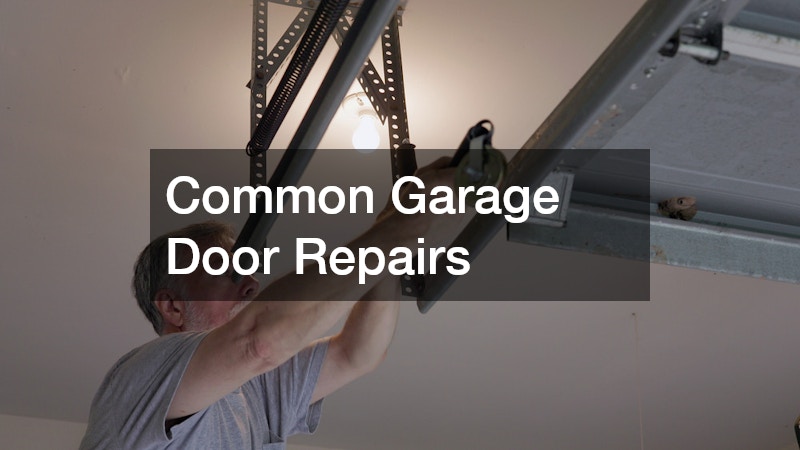
Garage doors are essential for home security, convenience, and overall home functionality, yet they often encounter mechanical issues due to frequent use, age, and environmental factors such as humidity or extreme temperatures. Understanding common problems and their solutions can save time, reduce repair costs, prevent further damage, and extend the lifespan of your garage door system. This article highlights typical issues with garage doors and offers practical guidance on addressing them efficiently and safely.
A non-functioning garage door is often linked to power source problems. Check that the opener is properly plugged in and that the circuit breaker hasn’t tripped.
Video Source
Power surges or outages can temporarily disable the system. In some cases, replacing batteries in remote controls or wall-mounted keypads may resolve the issue. Ensuring a stable power supply is the first step in diagnosing garage door malfunctions.
Most modern garage doors rely on safety sensors near the floor to detect obstructions. Misaligned sensors prevent the door from closing and may even stop it from opening. Cleaning the sensor lenses and realigning them so that the indicator lights are steady usually restores proper function. Regularly checking sensor alignment prevents repeated interruptions and enhances safety.
Obstructions in the garage door track, such as dirt, debris, or small objects, can halt movement and strain the opener. Inspecting the tracks and removing any obstacles often resolves operational issues. Additionally, ensure the tracks are properly aligned and securely mounted to prevent repeated malfunctions and excessive wear on the door mechanism.
Rollers guide the garage door along the tracks, and worn or damaged rollers can produce squeaking, grinding, or rattling noises that worsen over time. Replacing old rollers with durable nylon or steel alternatives can significantly reduce noise while improving overall door performance and reducing strain on the opener. Regular inspection, cleaning, and lubrication of rollers also help maintain smooth, consistent operation.
Loose screws, bolts, or brackets can cause rattling and vibration during door operation. Carefully inspecting all fasteners and tightening or replacing those that are worn ensures the door functions safely. Loose hardware not only contributes to unwanted noise but can also compromise the structural integrity of the door, potentially leading to more significant and costly garage door repairs if ignored.
Garage doors contain multiple moving parts, including rollers, hinges, and springs. Insufficient lubrication increases friction and wear, resulting in loud, jerky, or uneven movements. Applying a high-quality silicone-based or lithium grease lubricant to these components helps reduce noise, improve efficiency, and extend the life of the door’s mechanical parts. Consistent lubrication also prevents rust buildup and reduces the likelihood of sudden breakdowns.
Proper tension in the garage door springs and opener system is crucial for even movement. Sagging doors often indicate uneven tension or worn springs. Adjusting the tension helps balance the door, ensuring smooth operation and preventing further strain on the opener and tracks. This adjustment is best handled carefully, as springs store significant energy.
Cables support the weight of the garage door, guiding it during opening and closing. Frayed or stretched cables can contribute to sagging and uneven movement. Replacing worn cables with new, properly rated ones restores stability and safety, preventing the door from becoming a hazard.
Sagging may also result from bent hinges or damaged panels. Inspecting the hinges and replacing any compromised parts maintains alignment and structural integrity. Similarly, checking panels for warping or damage ensures the door closes evenly and prevents unnecessary stress on other components.
Garage doors require regular attention to operate safely and efficiently. Common issues include doors failing to open or close due to power problems, sensor misalignment, or track obstructions. Noise often stems from worn rollers, loose hardware, or lack of lubrication, while sagging doors are typically caused by improper tension, worn cables, or damaged hinges and panels.
Addressing these issues promptly through thorough inspection, regular maintenance, and necessary garage door repairs prolongs the life of your garage door, enhances safety, and prevents costly emergency garage door repairs that can disrupt daily routines. Routine upkeep, including cleaning tracks, lubricating moving parts, checking alignment, and tightening hardware, ensures smooth, quiet, and reliable operation. Consistently performing these tasks not only protects your investment but also reduces the likelihood of unexpected malfunctions, keeping your garage door functioning efficiently for years to come.