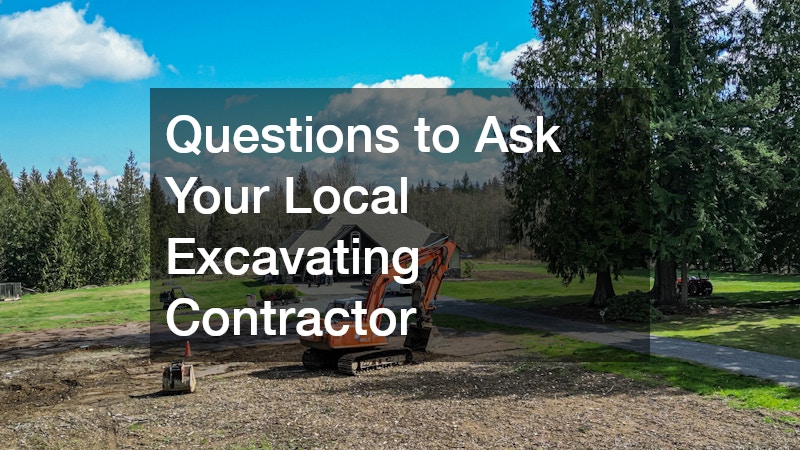
Hiring the right professional for site preparation can make or break your project. Whether you are planning new construction, landscaping upgrades, or drainage improvements, choosing a qualified local excavating contractor is essential. Excavation work involves more than just moving dirt.
Video Source
It requires precision, proper equipment, and a deep understanding of soil conditions and safety regulations.
Before signing any agreement, asking the right questions helps you avoid costly mistakes and ensures your project runs smoothly. Below are key questions to guide your conversation and help you feel confident in your choice.
Not all excavation jobs are the same. Some contractors specialize in residential grading, while others focus on large-scale commercial work. Asking about past projects gives you insight into whether their experience matches your needs.
A reliable contractor should be able to describe previous jobs that are similar in size and scope. They may even provide photos or references. This information helps you gauge their skill level and ability to handle challenges that may arise.
When speaking with a local excavating contractor, ask how long they have been in business and what types of projects they most often complete. Experience often translates into efficiency and fewer unexpected issues.
Licensing and insurance are critical when hiring any contractor. Excavation involves heavy machinery and potential risks, so proper coverage protects both you and the crew.
Ask if they carry general liability insurance and workers’ compensation. This ensures you are not held responsible if an accident occurs on your property. A reputable contractor will have no problem providing proof of coverage.
Licensing requirements vary by state, but verifying credentials helps confirm that the contractor meets local regulations and industry standards.
The quality and type of equipment can significantly impact your project's outcome. Modern, well-maintained machinery enables more precise, efficient work.
Ask what equipment will be used and whether it is suited for your specific job. For example, smaller projects may require compact machines, while larger developments need heavy-duty equipment.
A knowledgeable contractor will explain their equipment choices and how they contribute to completing the work safely and effectively.
Excavation projects often require permits and must follow local building codes. Navigating these requirements can be complicated if you are unfamiliar with the process.
Ask whether the contractor will handle permits on your behalf or if you are responsible for obtaining them. Many professionals include this service as part of their scope of work.
Understanding how your local excavating contractor manages compliance ensures your project stays on schedule and avoids fines or delays.
Knowing how long your project will take helps you plan accordingly. While timelines can vary depending on weather and site conditions, a contractor should provide a general estimate.
Ask about the expected start date, duration, and any factors that could cause delays. Clear communication about scheduling helps set realistic expectations and keeps everyone on the same page.
It is also helpful to ask how they handle unexpected issues that may extend the timeline.
A detailed estimate gives you a clear picture of the project costs. It should include labor, equipment, materials, and any additional fees.
Ask for a written breakdown so you can understand exactly what you are paying for. This transparency helps prevent misunderstandings later.
Comparing estimates from multiple contractors can also help you determine whether pricing is fair. Keep in mind that the lowest price is not always the best option. Quality and reliability should also factor into your decision.
Excavation is only one part of the process. Proper site preparation and cleanup are just as important for a successful outcome.
Ask how the contractor prepares the site before digging begins. This may include marking utilities, clearing debris, and ensuring safe access for equipment.
After the work is complete, find out what cleanup services are included. A professional contractor should leave your property in a clean and usable condition.
Safety should always be a top priority in excavation work. From protecting workers to preventing damage to surrounding structures, proper precautions are essential.
Ask about the safety protocols they follow on the job site. This may include equipment inspections, worker training, and adherence to industry guidelines.
A responsible contractor will take the time to explain their approach and demonstrate their commitment to maintaining a safe work environment.
Choosing the right contractor requires careful consideration and clear communication. By asking thoughtful questions, you can better understand a contractor’s experience, processes, and reliability.
Taking the time to evaluate your options helps ensure your project is completed safely, efficiently, and to your satisfaction. Working with a qualified local excavating contractor provides the expertise needed to handle complex tasks and deliver lasting results.