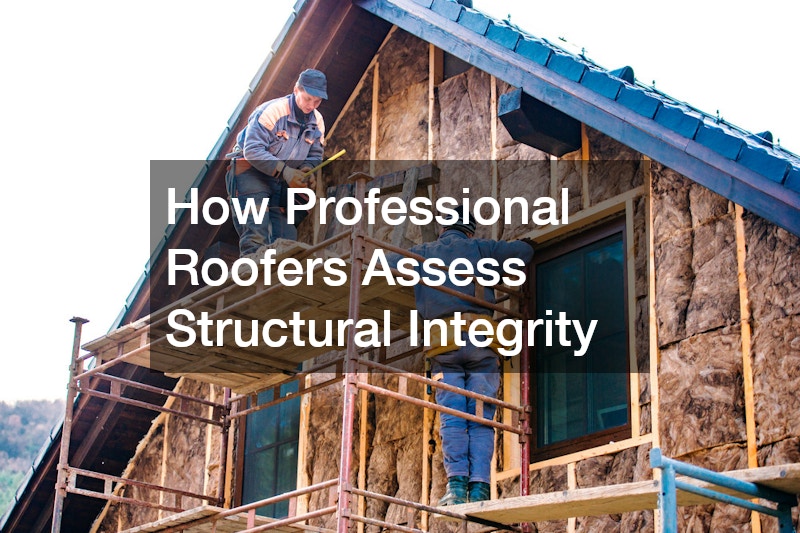
A roof does far more than shield a structure from the elements. It plays a central role in overall building stability, load distribution, and long-term durability. When concerns about structural integrity arise, professional roofers follow a systematic process to evaluate both visible and hidden issues. Their assessments combine hands-on inspection with technical knowledge, helping property owners understand risks before they escalate into major failures.
The assessment process typically begins with a close inspection of the roof’s exterior surface. Roofing professionals examine shingles, tiles, or panels for signs of wear, including cracking, curling, or missing sections.
Video Source
These surface-level issues may appear minor, but they often signal deeper problems such as moisture intrusion or compromised underlayment. Material degradation can weaken the roof’s ability to shed water effectively, increasing the likelihood of leaks that affect structural components beneath.
Beyond the primary roofing material, flashing and sealants receive careful attention. Flashing around chimneys, vents, and valleys is particularly vulnerable to failure. If these areas are not properly sealed, water can penetrate and gradually deteriorate the decking and framing. Professionals also check for granule loss on asphalt shingles, which reduces UV protection and accelerates aging. Each of these factors contributes to a broader understanding of how well the roof is performing as a protective system.
Roofing contractors also evaluate drainage efficiency. Standing water or poor runoff patterns can indicate sagging areas or improper slope. Over time, water accumulation adds weight and increases stress on the structure. Identifying these concerns early allows for targeted repairs that prevent more extensive damage.
While surface conditions provide important clues, a true structural assessment requires looking beneath the outer layer. Most roofers will inspect the attic or interior ceiling spaces to evaluate the condition of the decking, rafters, and trusses. Signs such as water stains, mold growth, or warped wood indicate that moisture has already penetrated the roofing system and begun affecting structural elements.
Load-bearing components are a primary focus during this stage. Roofing professionals assess whether rafters and trusses are properly aligned and free from cracks or splits. Even small fractures can compromise load distribution, especially during heavy snow or high wind conditions. In older structures, they may also check for signs of previous repairs that could affect current stability. Inconsistent materials or improper reinforcements can create weak points that require correction.
Ventilation is another critical factor tied to structural integrity. Poor airflow in attic spaces can lead to heat and moisture buildup, which accelerates wood rot and weakens fasteners. Roofing contractors evaluate ventilation systems to ensure they are balanced and functioning as intended. Proper ventilation helps regulate temperature and moisture levels, preserving both the roofing materials and the supporting framework.
Structural integrity is not determined by the roof alone. External forces such as weather, surrounding vegetation, and building movement all play a role in long-term performance. Roofing professionals consider these variables when conducting a comprehensive assessment. For example, they evaluate the impact of wind exposure, which can loosen materials and create uplift forces that strain connections.
Tree coverage is another common concern. Overhanging branches can cause physical damage during storms and contribute to debris accumulation. Leaves and organic material can trap moisture, accelerating deterioration. Roofing contractors may recommend trimming or removal to reduce these risks and improve overall roof longevity.
Seasonal weather patterns also influence structural wear. Repeated freeze-thaw cycles can cause materials to expand and contract, leading to cracks and weakened seals. Heavy snow loads add significant weight, testing the strength of the underlying framework. By factoring in these environmental conditions, roofing contractors can provide a more accurate assessment of current integrity and future risk.
In some cases, the evaluation extends to the building’s foundation and walls. Structural shifts in the foundation can transfer stress upward, affecting roof alignment. Subtle signs such as uneven ridgelines or interior cracks may indicate broader structural movement. Identifying these connections allows for a more holistic approach to maintenance and repair.
Assessing a roof’s structural integrity requires more than a quick visual check. It involves a detailed examination of materials, underlying components, and external influences that collectively determine performance. Professional roofers bring a trained eye and methodical approach to this process, identifying both immediate concerns and long-term vulnerabilities.