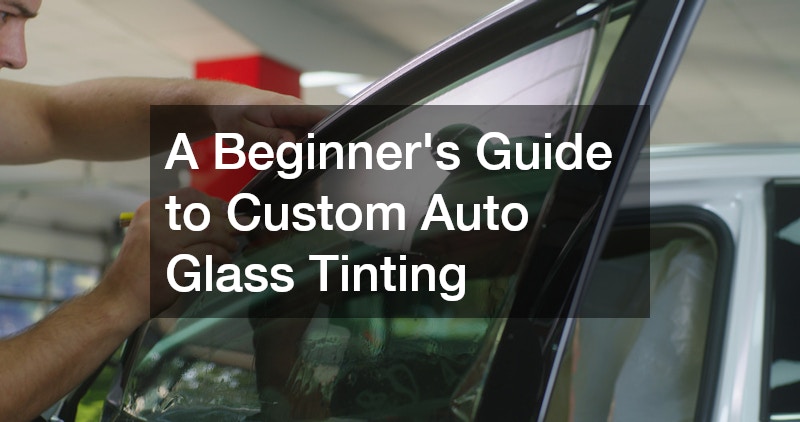
Custom car window tinting has become an increasingly popular upgrade for drivers looking to enhance both the appearance and functionality of their vehicles. Beyond its sleek aesthetic, tinting offers practical advantages that improve comfort, safety, and long-term vehicle care. For beginners, however, the process can feel a bit overwhelming due to the variety of materials, legal considerations, and installation methods involved. Understanding the fundamentals will help you make informed decisions and avoid costly mistakes.
At its core, auto glass tinting involves applying a thin laminate film to a vehicle’s windows to reduce the amount of visible light, heat, and ultraviolet radiation that enters the cabin. Tint films come in several types, including dyed, metalized, carbon, and ceramic, each offering different levels of performance and durability.
Video Source
Dyed films are often the most affordable, while ceramic options provide superior heat rejection and clarity without interfering with electronic signals.
The level of darkness in window tint is measured by Visible Light Transmission, or VLT, which indicates the percentage of light allowed through the film. For example, a 35% tint lets in 35% of visible light, while darker tints block more light. Choosing the right VLT depends on your preferences as well as legal limits in your state, which regulate how dark your windows can be.
Another important factor to consider is heat rejection. Higher quality films are designed to block infrared heat, which helps keep your vehicle cooler during warm weather. This can reduce the need for excessive air conditioning use, improving overall energy efficiency. When evaluating options, it is worth balancing cost with performance, especially if you live in an area with strong sunlight.
Before moving forward with any tinting project, it is essential to understand local regulations. Each state has specific laws governing how dark or reflective window tint can be, particularly for front side windows and windshields. These laws are designed to maintain driver visibility and ensure that law enforcement can see inside vehicles when necessary.
Failing to comply with these regulations can result in fines, mandatory removal of the tint, or failed vehicle inspections. Because of this, many professional installers are well-versed in local requirements and can recommend compliant options. Even so, it is always a good idea to verify current laws yourself to avoid potential issues.
Safety also plays a significant role in the decision-making process. Quality window films can help hold shattered glass together in the event of an accident, reducing the risk of injury from flying shards. This added layer of protection is often overlooked but can make a meaningful difference during emergencies.
Visibility is another key concern, especially when driving at night or in poor weather conditions. Excessively dark tints may reduce your ability to see clearly, increasing the risk of accidents. Striking a balance between privacy and visibility is critical for maintaining safe driving conditions while still enjoying the benefits of auto glass tinting.
One of the first decisions beginners face is whether to install window tint themselves or hire a professional. While DIY kits are widely available and can be more budget-friendly, they often require precision and experience to achieve a clean, bubble-free finish. Improper installation can lead to peeling, creasing, or uneven coverage, which diminishes both appearance and performance.
Professional installation, on the other hand, typically ensures a higher level of quality and longevity. Experienced technicians use specialized tools and controlled environments to apply the film accurately. Many reputable installers also offer warranties that cover defects, fading, or bubbling, providing additional peace of mind.
Cost is often a deciding factor, but it is important to consider long-term value rather than just upfront expense. A poorly executed DIY job may need to be redone, ultimately costing more than a professional service. Additionally, high-end films such as ceramic tint are often best handled by trained professionals due to their complexity.
Getting started with custom auto glass tinting does not have to be complicated. By understanding the different types of films, staying informed about legal requirements, and choosing the right installation approach, you can confidently enhance your vehicle’s comfort and style. Whether your priority is reducing heat, improving privacy, or adding a polished look, the right tint can deliver lasting benefits. Taking the time to research and plan ensures that your investment pays off in both performance and satisfaction for years to come.