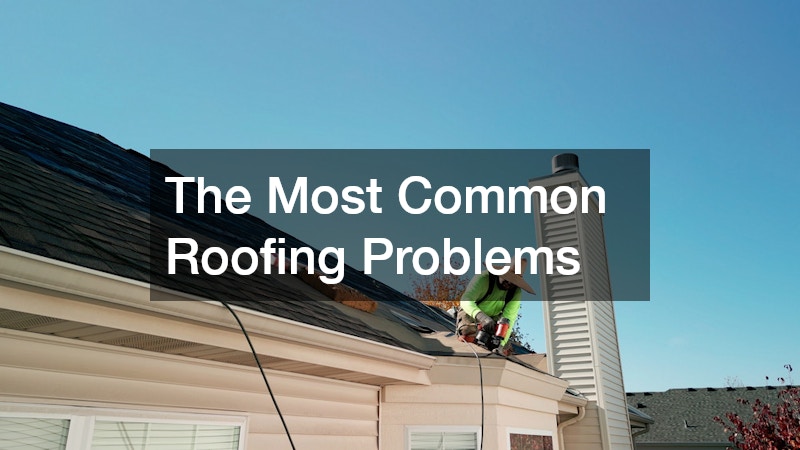
Homeownership comes with a multitude of responsibilities, among which managing roofing problems is crucial. Without adequate attention to roofing issues, homeowners can face significant damage and costly repairs. The roof acts as the first line of defense against the elements, yet it is often overlooked until problems become apparent. Understanding common roofing problems is essential to maintaining a safe and sound home environment. This article will explore frequent roofing issues, their causes, and roof replacement services.
Roofing problems can take many forms, from minor leaks to significant structural damage. Ignoring these problems can lead to further damage to the home’s interior, including walls, ceilings, and insulation.
Video Source
Early detection and timely repairs are vital to prolonging the life of a roof and avoiding expensive restoration. Homeowners can prevent a minor issue from escalating into a major one by being vigilant about maintenance. This article serves as a guide to recognizing and addressing common roofing concerns effectively.
Detecting a roof leak early can minimize potential damage to the structure of the home. One of the primary signs of a leak is water stains on the ceiling, indicating that water has permeated the roofing material. Additionally, mold or mildew development in the attic is a significant indicator that moisture is trapped due to a leak. Another subtle sign is the presence of granules in gutters, which can suggest that roofing shingles are deteriorating. Being aware of these indicators can help homeowners address leaks before they escalate.
The consequences of prolonged roof leaks include structural problems, such as wood rot, which can exacerbate the situation. The presence of soft spots on the roof's surface can also be a red flag pointing towards a possible leak or drainage problem. Regularly checking the attic for light penetration can help identify where seals might have broken down. Addressing these leaks efficiently can prevent additional, more serious constraints on both the structure and the homeowner's wallet. Therefore, understanding and recognizing the early signs of leaks is paramount in maintaining roofing integrity.
Regular roof inspections are crucial to maintaining its overall health and performance. Experts recommend that homeowners conduct inspections at least once or twice per year, typically every fall and spring. These inspections should be conducted more frequently after any major storm or severe weather conditions. An inspection involves assessing both the interior and exterior of the roof, evaluating for any emerging signs of wear or damage. Professional roofer evaluations are advisable since they can provide a comprehensive assessment that casual inspections may miss.
Roof inspections should also involve clearing debris from gutters and checking for buildup that may impede proper drainage. This practice helps prevent water backflow, which can lead to leaks or ice dams during colder months. Regular maintenance through inspections also increases the lifespan of the roof and enhances the property's overall value and safety. In addition to routine checks, professional roofers can provide additional services such as roof cleaning and minor repairs to maintain optimal conditions. Thus, prioritizing inspections as part of regular home maintenance is a worthwhile practice for any homeowner.
Roof damage can stem from a variety of sources, each posing unique challenges to homeowners. Weather-related factors are among the most prevalent causes, with storms, hail, and high winds capable of inflicting considerable damage. Over time, exposure to the sun's ultraviolet radiation can also degrade roofing materials, leading to splits and weakening. Trees and their branches pose hazards as well; fallen limbs can break shingles or puncture the roofing membrane. Accumulated debris can further lead to water pooling, promoting rot and leaks.
Inadequate roof maintenance is another significant cause of damage. When debris accumulates unchecked, it can lead to water retention or direct water into air gaps. Poor installation practices or low-quality materials often result in premature aging or failure.
A well-maintained roof is one of the home’s best defenses against environmental challenges and ensures long-term comfort and safety for its inhabitants. Awareness and action offer the best protection against the inevitable challenges that roofing systems encounter. Given the critical role roofs play, understanding common roofing issues and their timely solutions is indispensable for any responsible homeowner. Informed and proactive steps today will ensure peace of mind and structural soundness in the years to come. Therefore, addressing roofing problems with due consideration and care is indispensable for responsible home management.