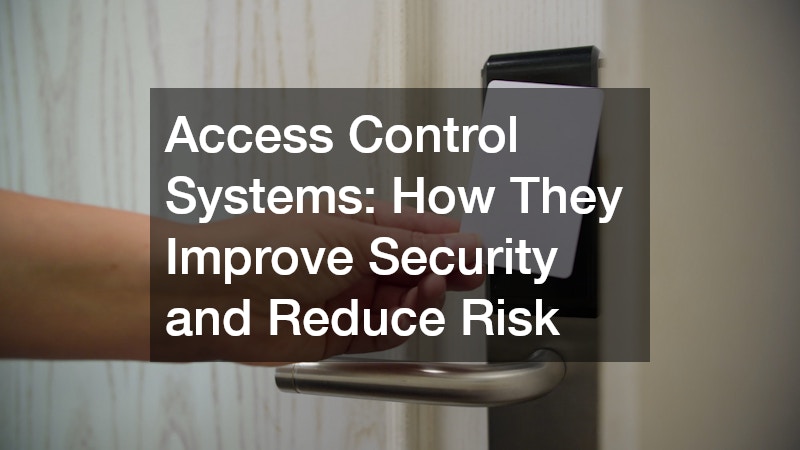
Access control systems are an integral component of modern security frameworks, designed to safeguard facilities, protect sensitive information, and manage personnel access. They offer a sophisticated means of regulating who can view or use resources in a computing environment. The progressive introduction of technologies such as biometric authentication and smart cards has significantly enhanced the need for an advanced access control service. These systems play a critical role in deterring unauthorized access and minimizing potential threats within an organization.
Video Source
This article explores their role in enhancing security and minimizing risks.
Today's access control systems come equipped with a diverse range of features designed to meet various security needs. Biometric authentication, such as fingerprint or retina scans, offers high-level security by ensuring accurate identification. These systems often include capabilities for remote management, allowing administrators to control access points from anywhere through a secure internet connection. Additionally, modern systems can integrate with other security functions, such as video surveillance and intrusion detection, offering a more comprehensive security framework. These features collectively enhance the robustness and flexibility of access control solutions.
The integration of access control systems with other technologies further amplifies their utility. For example, they can work in tandem with alarm systems and emergency lockdown protocols to offer layered security solutions. This integration facilitates comprehensive threat management tactics, enhancing the overall security posture of an organization. Furthermore, the ability to generate detailed access logs provides valuable insights for security audits and incident investigations. Consequently, the key features of access control systems extend far beyond mere access regulation.
Access control systems are fundamental in preventing unauthorized entry, a crucial step in mitigating security risks. By restricting access to only authorized individuals, these systems drastically reduce the likelihood of internal and external breaches. The systems are continually updated with the latest security protocols, ensuring they address evolving threats effectively. This risk mitigation is achieved through preemptive strategies that focus on controlling who enters or exits secure areas. As a result, access control systems significantly diminish the risk of unwanted incidents.
In addition to physical security, these systems are pivotal in safeguarding data integrity. They ensure that only authorized users can access sensitive information, thereby protecting data from unauthorized manipulation or theft. By establishing stringent access protocols, organizations can protect themselves from cyber threats and data breaches. Moreover, access logs and audit trails contribute to identifying and addressing potential security gaps promptly. This comprehensive protection of sensitive information underscores the importance of access control systems in risk management.
Beyond immediate security risks, access control systems facilitate compliance with regulatory standards, further minimizing organizational liability. Many industries are subject to strict compliance requirements regarding data protection and privacy. Implementing robust access control measures becomes essential to meet these standards, thereby avoiding legal penalties and reputational damage. As part of a broader security strategy, access control systems ensure that organizations adhere to best practices in both physical and information security. Consequently, they play a key role in institutional compliance and risk management.
Implementing access control systems brings considerable operational and logistical benefits. One significant advantage is the heightened ability to monitor and manage access points in real-time, enhancing overall situational awareness. This capability allows for an instantaneous response to security incidents and better coordination in emergencies. Additionally, these systems offer scalability, enabling companies to add or modify user access as organizational needs evolve. As a result, businesses can maintain seamless operations without compromising security standards.
Another advantage is the cost-effectiveness that access control systems offer over traditional security measures. While initial setup costs may be higher, the long-term savings on security expenses, such as loss prevention and incident response, are substantial. The efficiency and automation introduced by these systems lead to reduced personnel costs and enhanced workforce productivity. Moreover, their ability to support remote access minimizes the need for on-site security staff in multiple locations. Therefore, access control systems deliver economic benefits alongside increased security.
In conclusion, access control systems significantly contribute to security improvements and risk reduction. Their diverse features, such as biometric authentication and remote management, cater to varied security needs while enhancing organizational productivity. By mitigating risks and ensuring compliance with regulatory standards, these systems are instrumental in today's comprehensive security strategies. The added benefits of operational efficiency and cost-effectiveness further illustrate their value to businesses of all sizes.